
Blog / The Case for Minimalist Interiors in Indian Homes
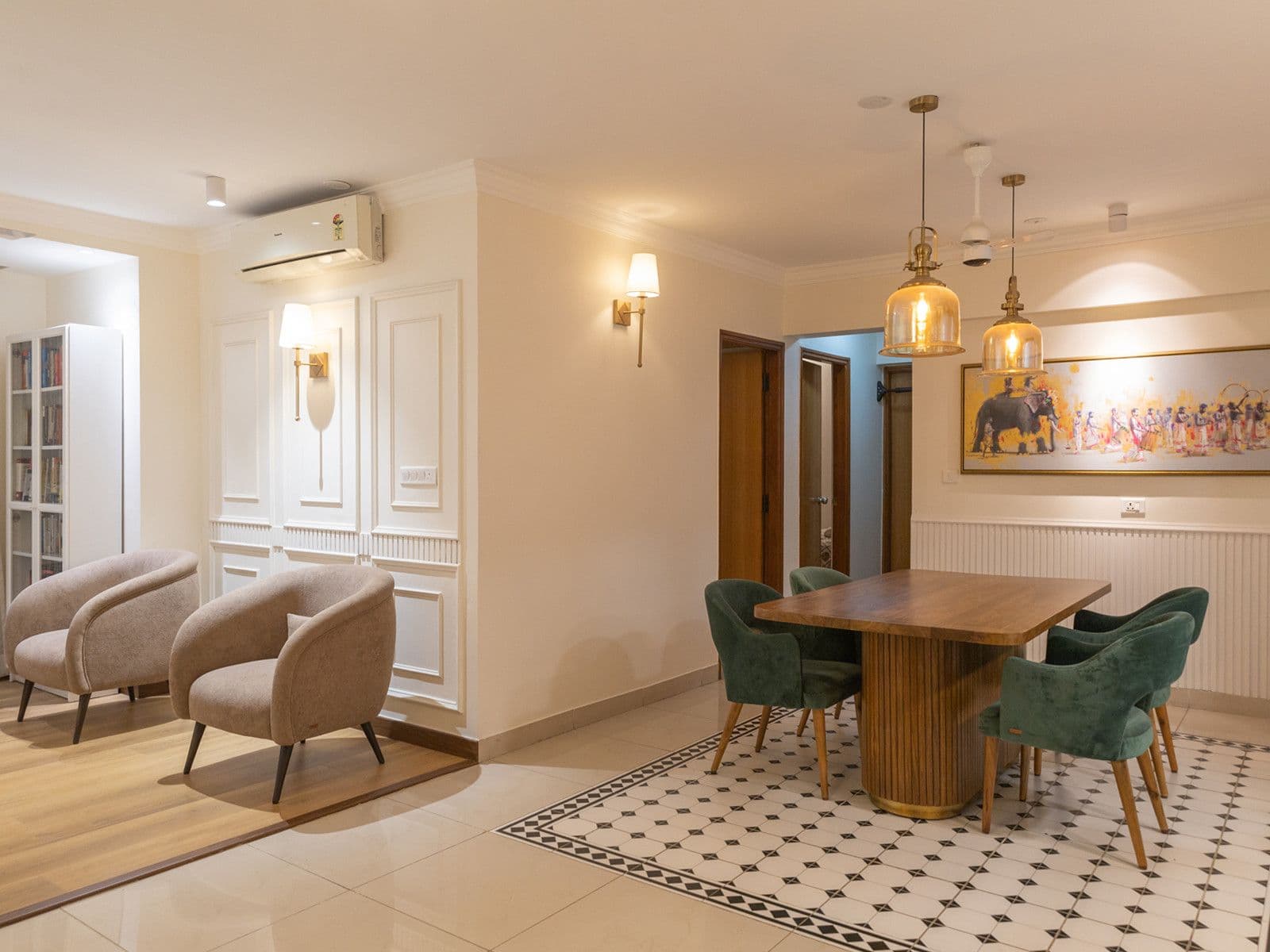
The Case for Minimalist Interiors in Indian Homes
15 Oct 2025 · Ushas Velandy, Director, FWD
Minimalism in Indian homes is not about emptiness — it is about deliberate, purposeful choices that make daily living calmer.
Minimalist design is consistently misunderstood as a style with no colour, no warmth, and no personality. The most livable minimalist homes are full of warmth, texture, and character — achieved through fewer, more carefully chosen elements rather than accumulation. The difference between a cold, empty room and a genuinely minimalist one is the quality and thoughtfulness of what is present, not the absence of things.
The argument for minimalism in Indian homes is particularly strong because Indian domestic life involves a high volume of objects: kitchen vessels and ingredients, textiles, seasonal items, religious objects, souvenirs and collectibles, and the general accumulation of a full household. A minimalist approach to joinery — maximum hidden storage, clean surfaces, careful placement of open elements — accommodates this reality while keeping the visible environment calm. The goal is not to own fewer things but to store most of them out of sight.
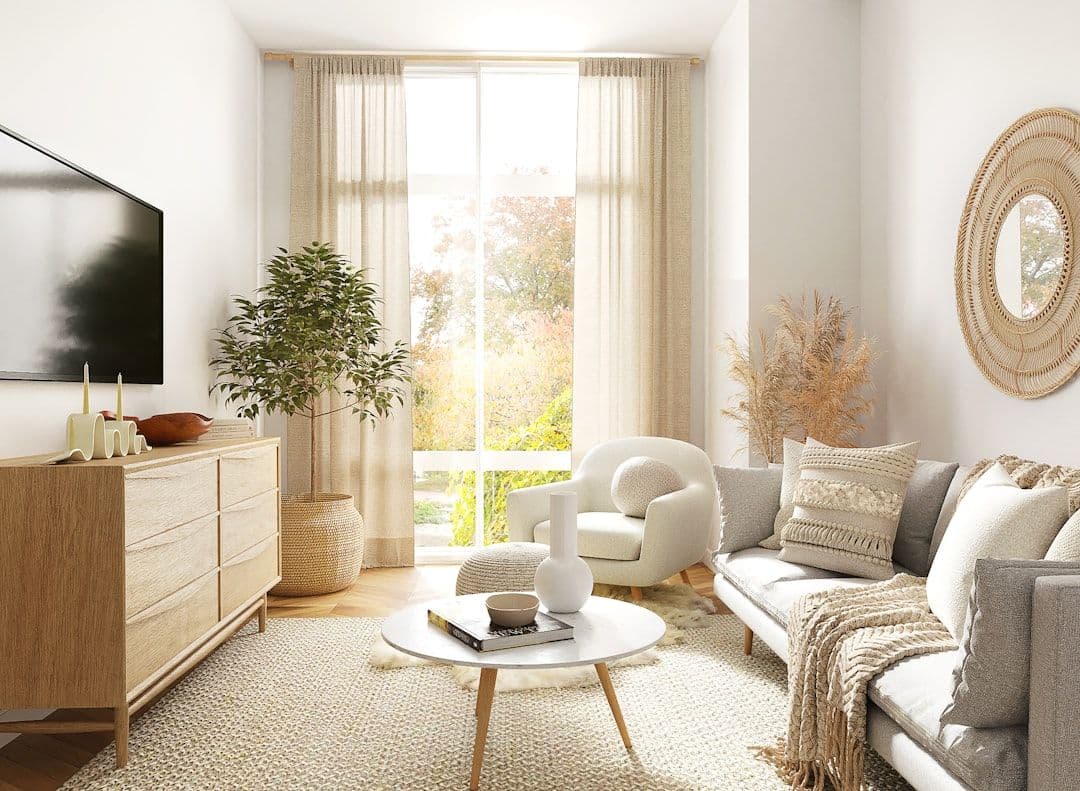
Restraint in materials is the most reliable starting point. Choosing one or two primary materials for joinery, maintaining a single flooring material throughout the main living areas, and using a consistent approach to handles and hardware creates cohesion without requiring decoration. Add texture through fabric — a linen sofa, a jute rug, cotton curtains — rather than through competing surface finishes. The room gains warmth and depth without gaining visual noise.
Colour restraint does not mean no colour. It means choosing a primary tone and allowing it to read clearly across the room before introducing any secondary elements. Tone-on-tone palettes — an entire room held in a single colour family with variation only in texture and material — are among the most sophisticated and calming approaches in contemporary interiors. They require confidence in the base palette and discipline about what is added.
Lighting in a minimalist interior does more heavy lifting than in a decorated one. Without the visual distraction of many objects and finishes, the quality of light — its direction, warmth, and how it falls across surfaces — becomes the primary contributor to how the room feels. Invest in well-positioned, dimmable lighting and allow the light itself to create depth and mood in a room that does not rely on decoration to hold visual interest.
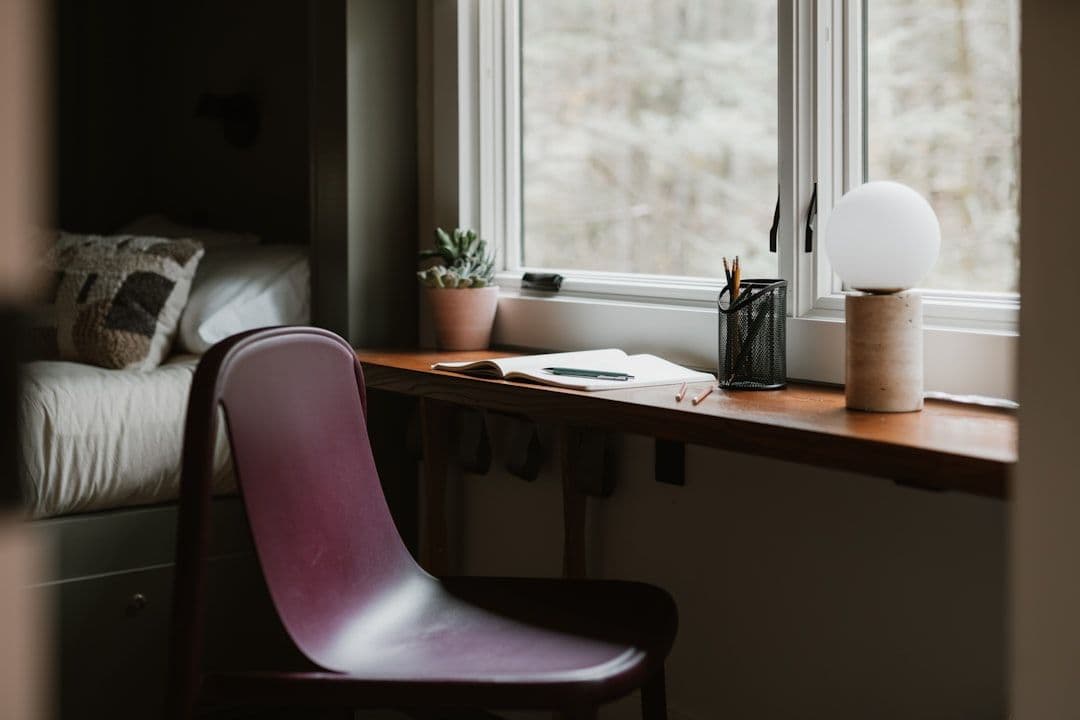
Minimalism is also a maintenance philosophy, and this practical dimension is undervalued. A home with fewer surfaces to clean, fewer decorative items to dust, and simpler maintenance requirements is easier to live in and easier to keep looking good over time. The homes that look best five years after handover are typically those designed with the most restraint — not because they have been preserved untouched, but because they were designed to be lived in without constant effort.
Begin a minimalist approach by auditing what is on every horizontal surface in your current home and removing everything that serves no function and holds no specific meaning. What remains is the foundation of a considered, personal interior. Then design storage for everything that was removed — hidden, accessible, and organised. The visual result is a calmer home, and the practical result is a home that works better for the people living in it every single day.
Need a tailored design roadmap?
Speak with our team to turn these ideas into a practical plan for your home.