
Blog / Granite, Quartz or Marble: Choosing the Right Kitchen Countertop
Granite, Quartz or Marble: Choosing the Right Kitchen Countertop
05 Mar 2026 · FWD Design Team, Editorial
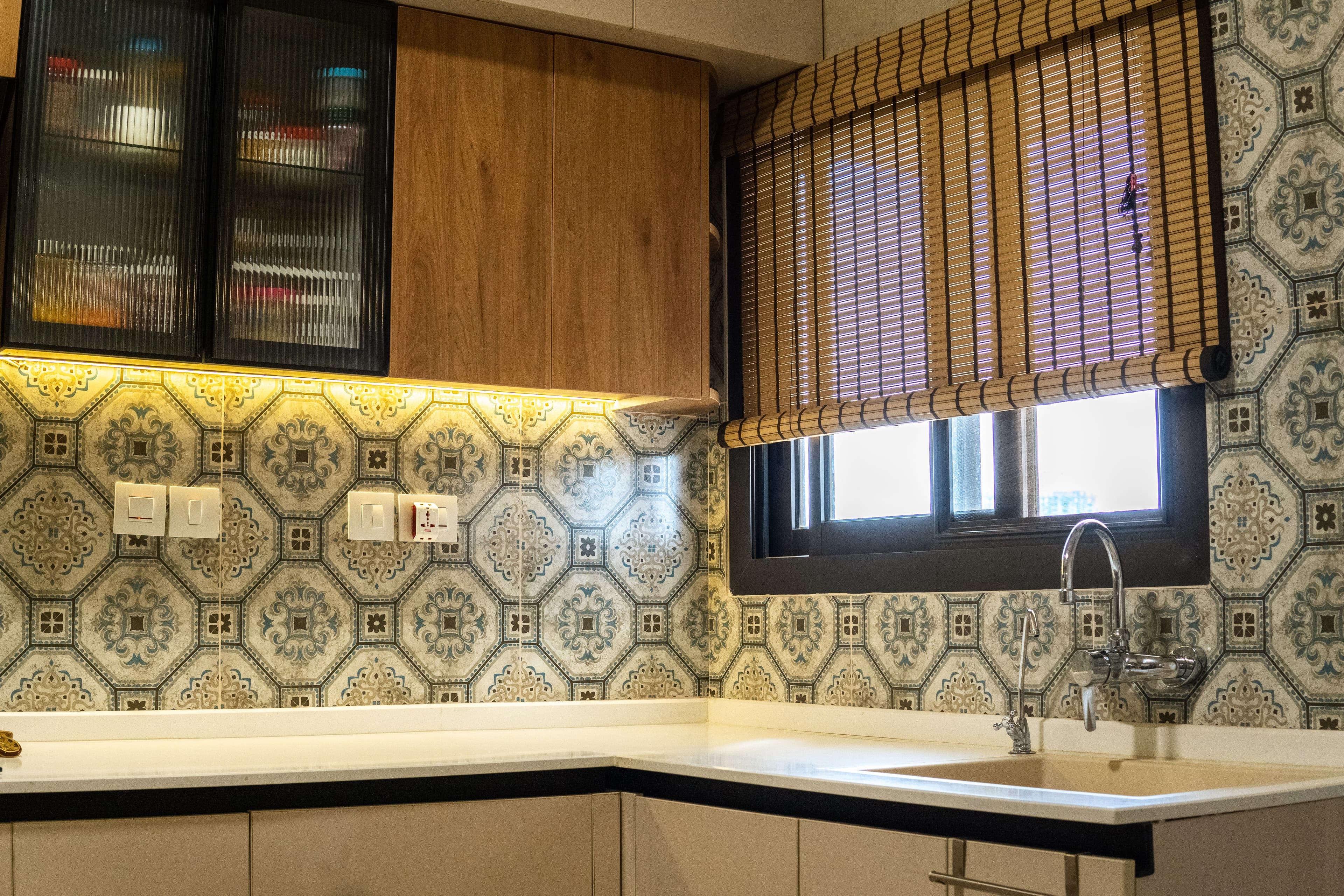
Each countertop material has a different maintenance profile, price point, and visual character. Here is how to choose.
The kitchen countertop is the most used surface in the home. It bears the heat of vessels coming off the hob, the weight of heavy appliances, the acids from tamarind and lemon, the staining risk of turmeric and oil, and daily cutting, cleaning, and abrasion. Choosing a countertop based primarily on how it looks in a showroom is a reliable path to frustration. The right choice accounts for your cooking style, your maintenance habits, and how the material will perform after years of daily use.
Granite remains the most widely used kitchen countertop in India for well-founded reasons. It is heat-resistant, scratch-resistant, and available in a remarkable range of colours and natural patterns. When sealed properly and resealed annually, granite handles the demands of Indian cooking — high heat, oils, and acidic ingredients — with minimal day-to-day maintenance. Indian-quarried granites are also comparatively cost-effective, making them an excellent value-to-performance choice for most households.
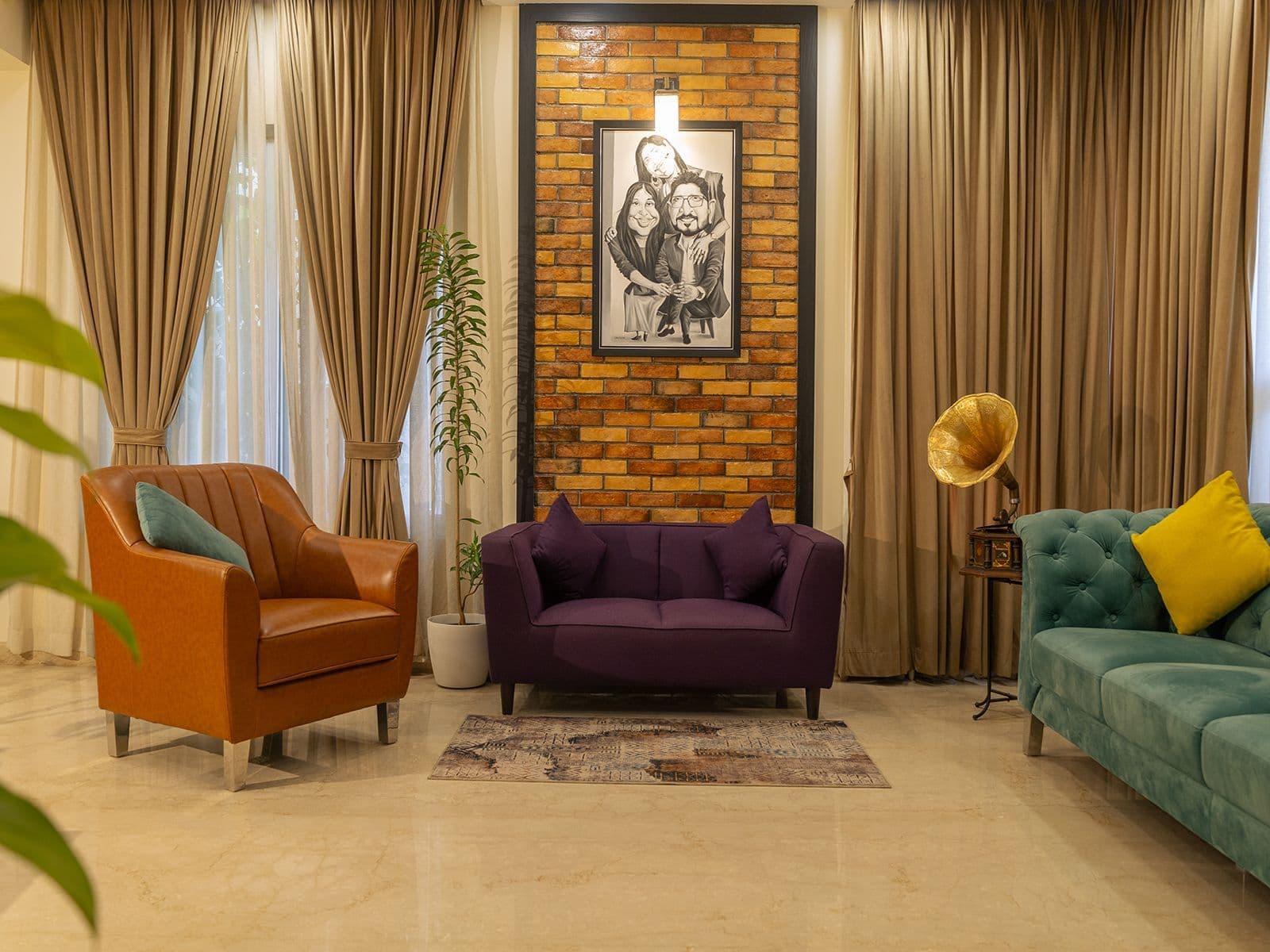
Engineered quartz offers a more consistent visual appearance than natural stone and is non-porous by construction, meaning it requires no sealing and resists staining from most common kitchen substances. It performs exceptionally well in high-use kitchens and is available in large slab formats that allow seamless joints on longer counter runs. Quartz is not fully heat-proof — rapid thermal changes can cause cracking — so trivets near the hob remain necessary regardless of the manufacturer's claims.
Marble is beautiful and genuinely special in a kitchen setting, but it is high-maintenance in Indian cooking environments. It etches — leaves a dull mark — when it contacts acidic liquids like lemon juice, tamarind water, and vinegar. It stains from oils and spices if not wiped promptly. In Indian kitchens, marble is best reserved for a designated baking or cold-prep counter section, not the full countertop run. For the luxury aesthetic with significantly fewer trade-offs, marble-finish large-format porcelain slabs are an increasingly convincing alternative.
Sintered stone surfaces — Dekton, Neolith, and equivalent products — are gaining traction in premium Indian kitchens for their exceptional resistance to heat, scratches, and UV fading. They are manufactured under extreme heat and pressure to produce a completely non-porous, very hard surface. The trade-offs are brittleness under impact and a higher price point. Where they excel is on hob surrounds, outdoor kitchen counters, and continuous island surfaces where seamlessness and heat resistance both matter.
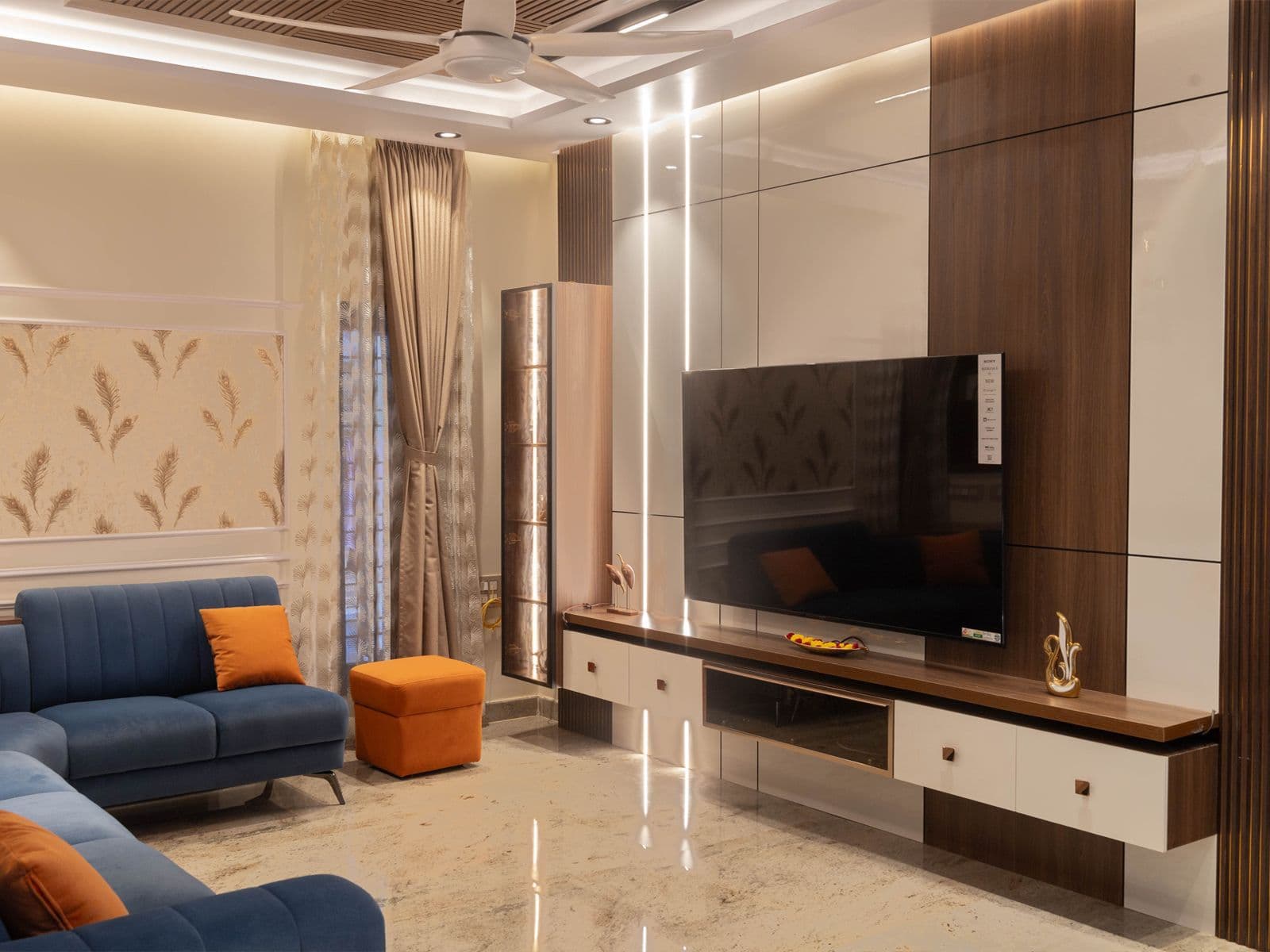
Avoid specifying a countertop material based on what you see in showrooms or magazine photographs without accounting for your kitchen's orientation and lighting. Natural stone looks very different under warm tungsten light versus cool daylight. Carry a large sample home and observe it in your actual kitchen conditions — in daylight, in the evening with your kitchen lighting on, and next to your shutter colour — before making a final decision.
Whatever material you choose, countertop thickness and edge profile significantly affect the perceived quality. A 20mm or 30mm thick slab with a clean squared or slightly eased edge looks more substantial and considered than a thin 15mm profile with an over-routed bullnose edge. The edge and thickness decision is made at the fabrication stage — discuss it explicitly with your studio or stone vendor before fabrication begins, not afterward.
Need a tailored design roadmap?
Speak with our team to turn these ideas into a practical plan for your home.