
Blog / Interior Design Cost in Chennai: A Complete Guide
Interior Design Cost in Chennai: A Complete Guide
05 Feb 2026 · Shinto Mathew, Director, FWD
What residential interior design costs in Chennai — by apartment type, scope, and what drives the final number.
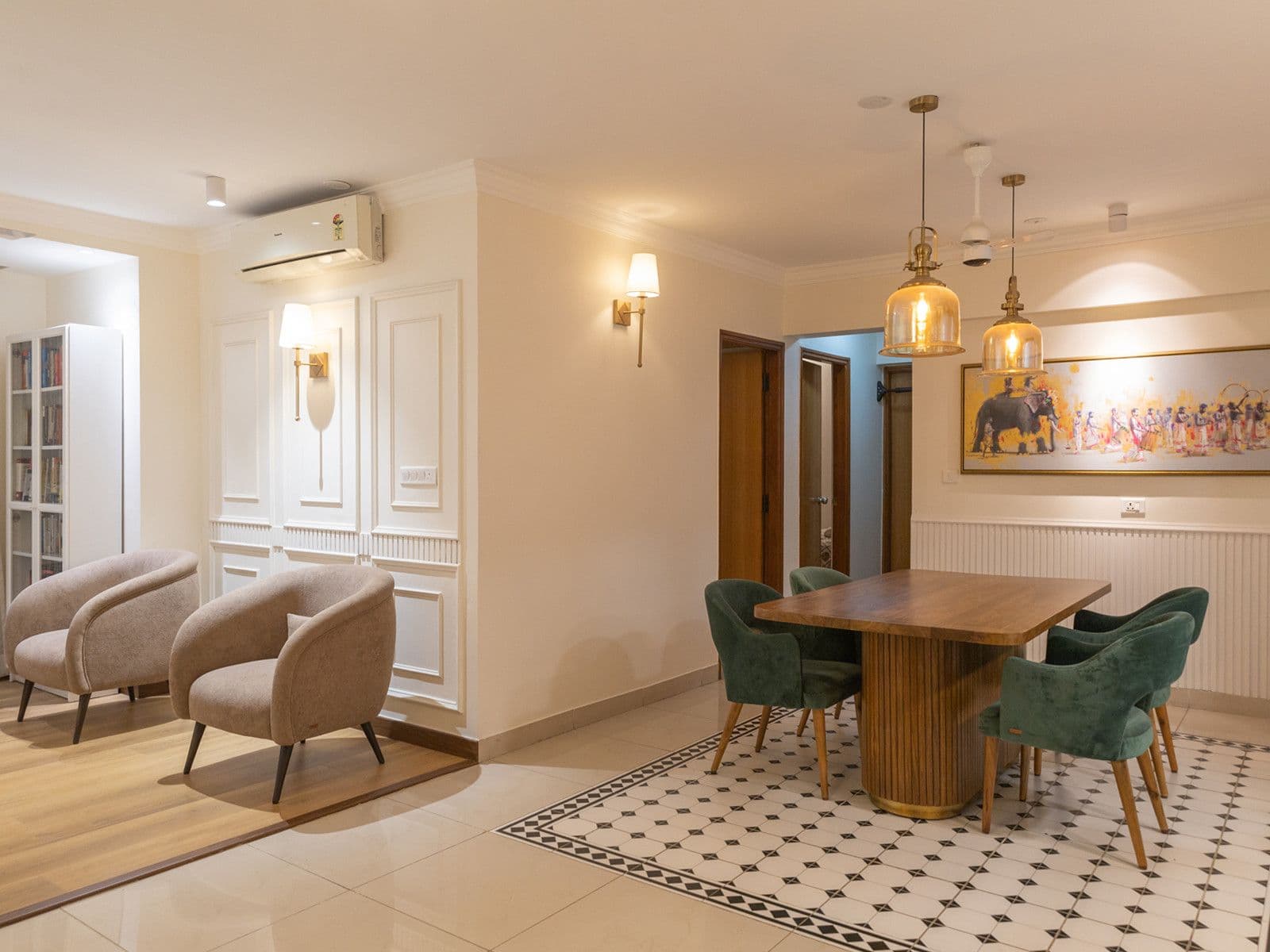
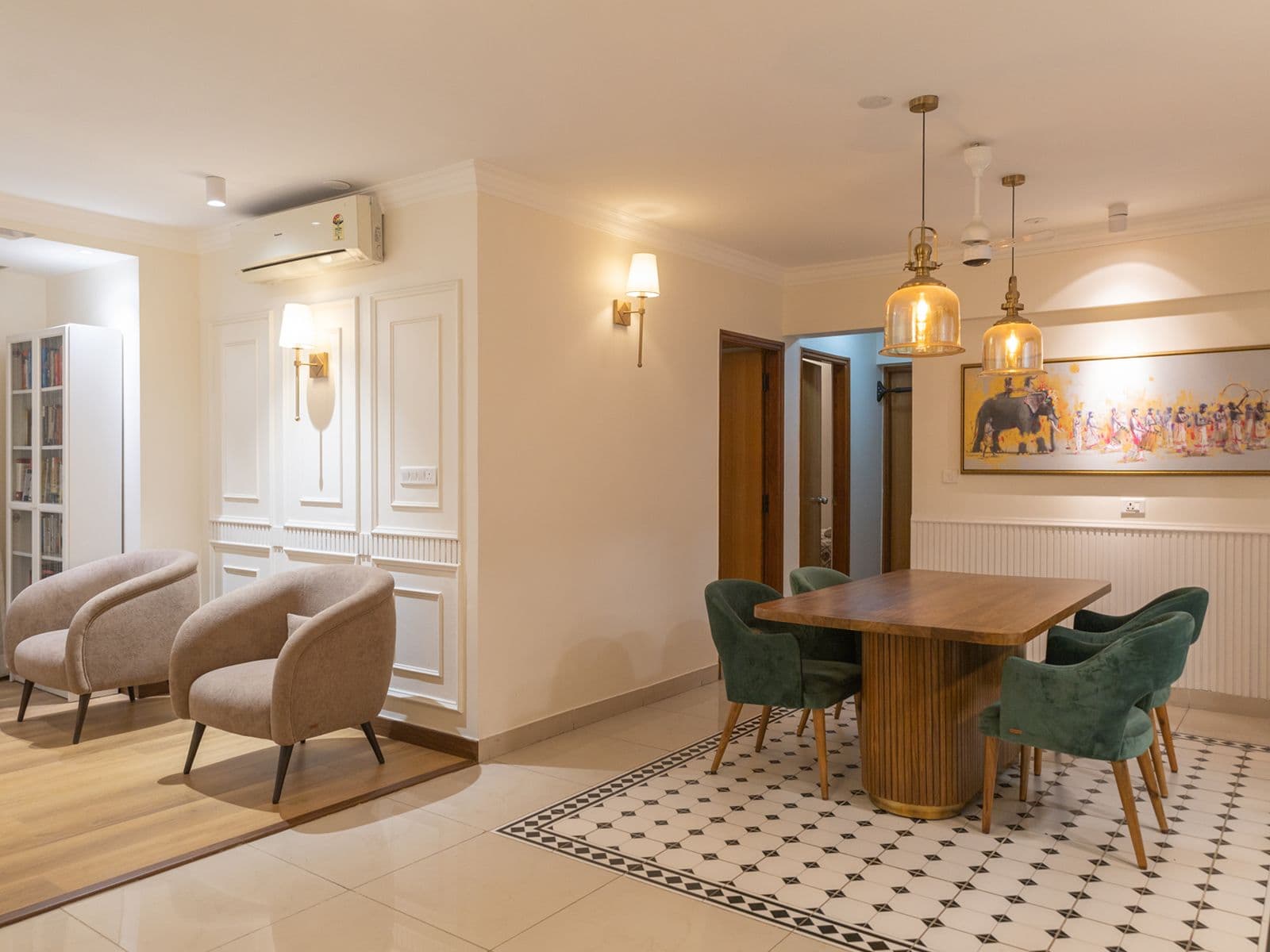
Chennai's residential interior design market has matured significantly over the last decade. Homeowners in OMR, ECR, Perungudi, and Velachery are investing seriously in quality fit-outs — not just painting and furniture, but full joinery, surface finishes, and lighting systems. For a standard 3BHK in the 1,200–1,600 sqft range, a full interior package at mid-range specification runs between ₹15 and ₹28 lakhs. What you land within that range depends almost entirely on the material and hardware choices you make.
Kitchen cabinetry is the single largest line item in most Chennai residential budgets. A well-specified modular kitchen — 10–14 linear feet with good hardware, engineered countertops, and a quality chimney — sits between ₹4 and ₹9 lakhs depending on shutter material and brand. Wardrobe systems for a full 3BHK typically add another ₹4–7 lakhs. Together, kitchen and storage alone can account for nearly half the total budget.
Villa interiors in gated developments along ECR and off Old Mahabalipuram Road command higher budgets — often ₹40–80 lakhs or more for full design-and-build scope. Larger floor plates, higher ceiling heights, and expectations around custom joinery, stone flooring, and landscaped terraces all contribute. For these projects, a detailed BOQ is not optional — it is the basis for every payment milestone and approval decision.
Labour costs in Chennai run approximately 10–15% lower than Bengaluru for most finish trades. However, premium material procurement costs are comparable across both cities, since most high-specification hardware, laminates, engineered stone, and fittings are sourced from the same national and international suppliers. The net effect on overall project cost between the two cities is smaller than most homeowners expect.
Factory-manufactured cabinetry from studios with in-house production provides better quality control and faster installation timelines than purely site-built carpentry. Consistent panel thickness, square corners, and factory-fitted hinges are easier to achieve with precision machinery than hand tools on site. When evaluating studio proposals, ask whether joinery is manufactured in-house or outsourced to third-party carpenters — it affects both quality and accountability.
The most reliable protection against cost overruns is a clearly scoped brief before any design work begins. Ambiguous briefs produce ambiguous quotes that expand as the project moves forward. Define what rooms are in scope, what is in-scope for joinery versus loose furniture, whether civil work is included, and whether appliances are part of the studio's responsibility or yours. These boundaries, agreed before work starts, determine whether a project stays on budget.
Always compare quotes on a like-for-like basis — material brand, grade, and finish level vary enormously between proposals. A quote that looks competitive may substitute materials at every turn; a quote that looks expensive may include every item that a cheaper proposal leaves out. Request a BOQ from every studio you are seriously considering and map the line items side by side. That exercise alone typically clarifies the decision.
Need a tailored design roadmap?
Speak with our team to turn these ideas into a practical plan for your home.