
Blog / Indian Home Interior Trends Worth Knowing in 2025
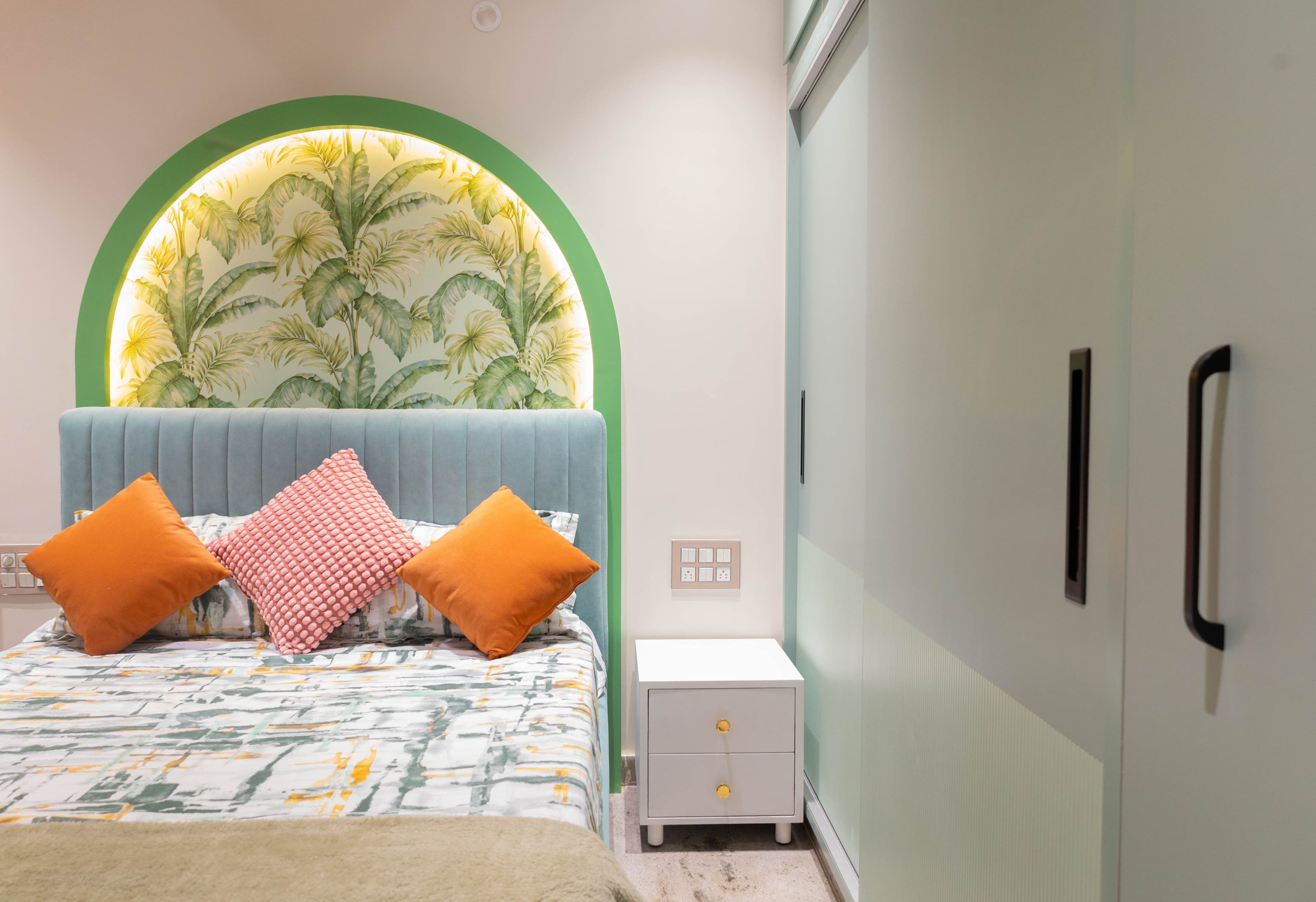
Indian Home Interior Trends Worth Knowing in 2025
01 Oct 2025 · FWD Design Team, Editorial
Not every trend is worth following — here are the ones shaping Indian residential interiors that have genuine staying power.
Interior trends are most useful when they reflect a genuine shift in how people want to live, rather than aesthetic novelty produced by the design industry's need for annual newness. The trends worth paying attention to in 2025 Indian residential interiors are those with practical and cultural roots — shifts that have been building across several years and are visible in how households are briefing designers, not just in what is appearing in magazine features.
Natural and tactile material palettes have replaced the polished, high-gloss surfaces that dominated Indian residential interiors through the 2010s. Light timber, natural stone, linen, rattan, handmade ceramics, and raw-finish plaster are appearing with increasing frequency in both mid-range and premium projects. This reflects two converging motivations: an aesthetic preference for warmer, calmer spaces, and a practical preference for surfaces that age gracefully rather than showing wear as deterioration.
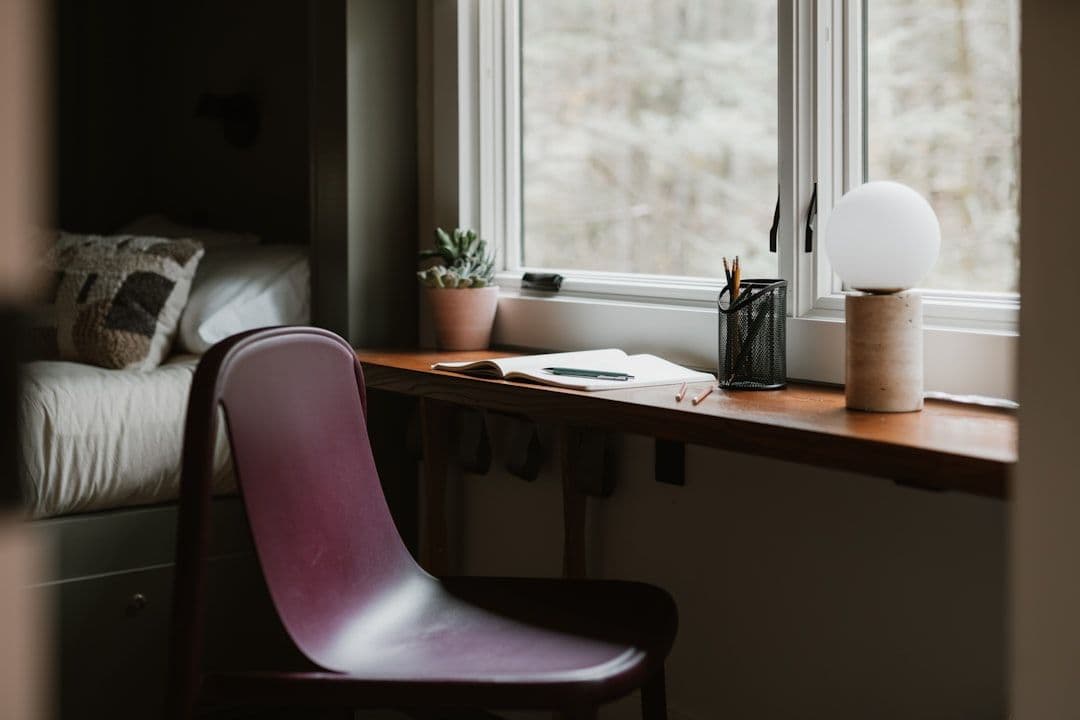
Multi-use spaces have shifted from an afterthought to a genuine design priority. The home office, study nook, reading corner, and meditation space are being briefed as proper functional zones — with adequate lighting, acoustic consideration, and storage — rather than a desk placed wherever floor space remains. This reflects a post-2020 shift in how work and domestic life interact that shows no sign of reversing, making it one of the more durable spatial planning changes in Indian residential design.
A renewed interest in Indian craft and artisan elements is visible in the premium residential segment — handwoven textiles, terracotta tiles, hand-trowelled wall finishes, and locally made brass and copper hardware. This is partly cultural — a move away from the globalised uniformity of the previous decade — and partly practical: artisan elements are unique and therefore not replicable, which aligns well with the individualism that premium homeowners are increasingly seeking from their interiors.
Tone-on-tone and monochromatic palettes have moved from avant-garde to aspirational in Indian residential design. Entire rooms held in a single colour family — varying only in material and texture — require confidence in the base choice and sophisticated lighting to execute well, but the results are consistently calmer and more cohesive than rooms assembled from multiple competing colours. This trend benefits from being selectively applied: one or two rooms, not the whole home.

Wellness-oriented design — better air quality through low-VOC materials and increased ventilation, acoustic consideration, circadian lighting that supports sleep and waking rhythms, and spaces specifically designed for rest and decompression — is being explicitly requested by homeowners who approach the brief with health and quality of life as primary goals. This is still early in its adoption across the Indian market but the direction is clear and likely to become mainstream over the next several years.
The most valuable way to use trend awareness is as a filter, not a guide. Evaluate each trend against how your household actually lives, whether the aesthetic will remain interesting to you in five years, and whether the materials involved fit your maintenance habits and the demands of your home. Trends that align with your life and values are worth adopting; those that only align with what is current are usually not. Good design starts with your brief, not with what is on trend.
Need a tailored design roadmap?
Speak with our team to turn these ideas into a practical plan for your home.